
Parolle è usi di a terra in Corsica
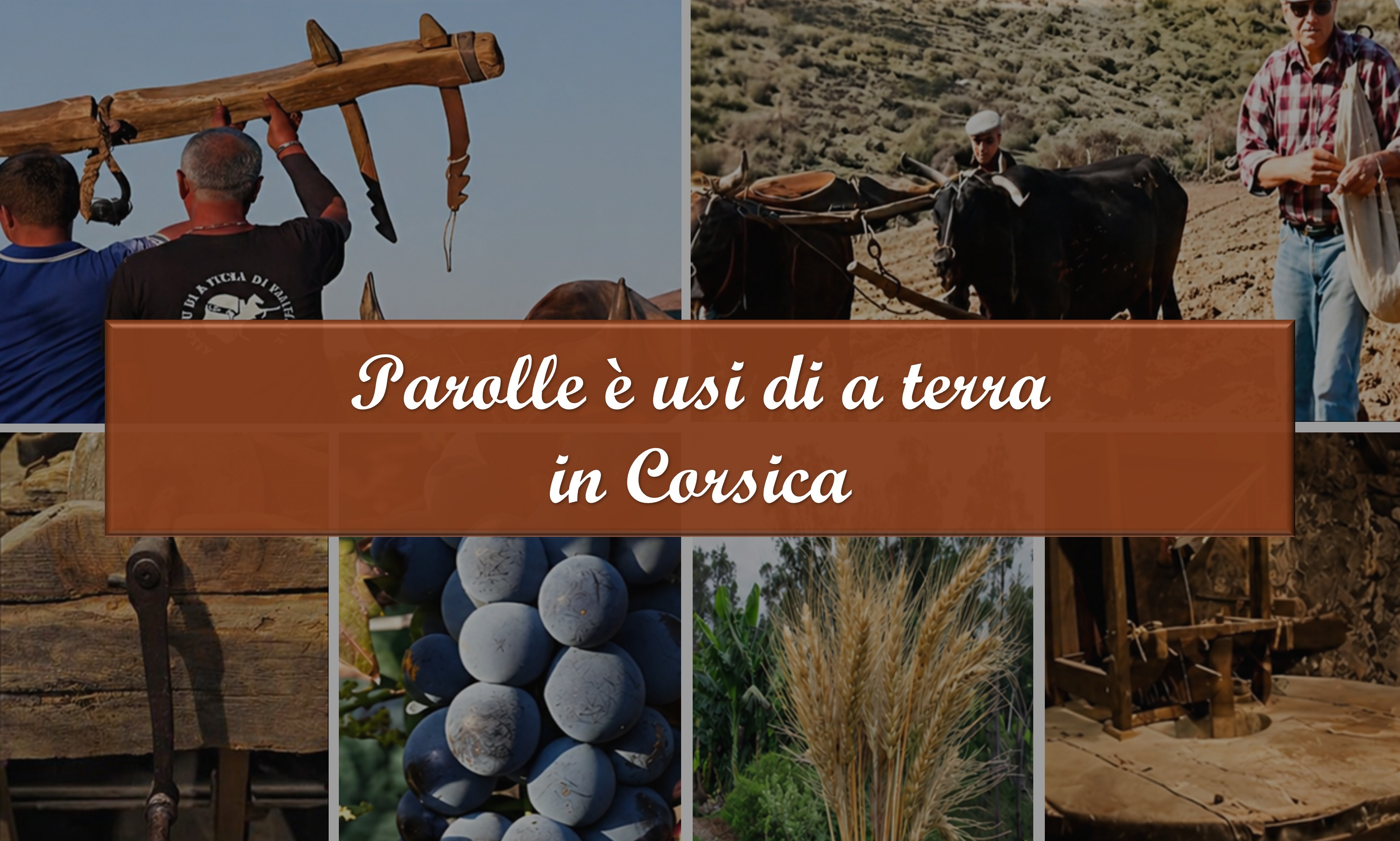
This exhibition invites you to explore the traditional agricultural world of Corsica through testimonies in the Corsican language, field photographs, and linguistic analyses: synthesis maps, bilingual glossaries, and studies on word formation. It is the result of the NALC-BDLC programme conducted by UMR CNRS 6240 LISA at the Università di Corsica Pasquale Paoli.
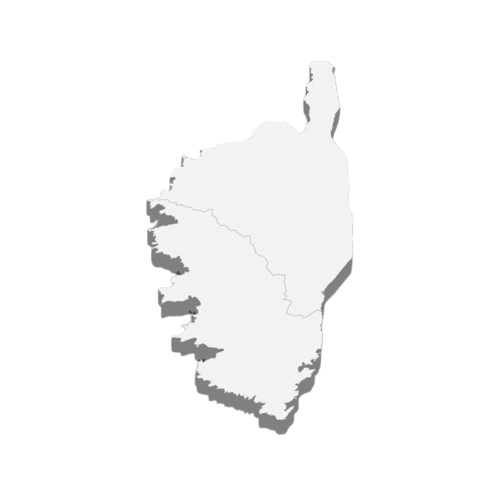
Origin
In 1975, the New Linguistic and Ethnographic Atlas of Corsica (NALC) was launched by the CNRS. The Corsican Language Database (BDLC), created in 1986, was quickly associated with it to process survey data by computer.
Stella Retali-Medori · Aurelia Ghjacumina Tognotti
UMR CNRS 6240 LISA
Objectives
To document and promote the traditional Corsican agricultural lexicon, gathered from the last custodians of the island's ancient knowledge and craftsmanship. To study the variation of the language across space and time, and the links between vocabulary, gestures, objects and practices, through approximately 600 questions organised by agricultural theme.
Results
The BDLC is available online at bdlc.univ-corse.fr and provides access to the phonetic and orthographic forms and lemmas of the Corsican lexicon. It offers maps of lexical variation and testimonies in Corsican. The Detti è usi di Paesi collection publishes the materials in the form of monographs accessible to all.
Traditional Agriculture in Corsica
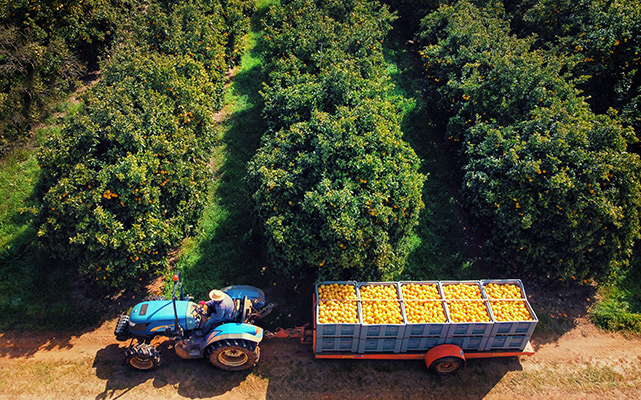
Until the second half of the twentieth century, Corsica was a predominantly agro-pastoral society. Every family cultivated its land, cut its hay, gathered its chestnuts, pressed its olives, and harvested its grapes according to gestures passed down from generation to generation, and named in a language that was intimately bound to them. The profound transformations the island has undergone, rural exodus, mechanisation, and the abandonment of traditional crops, have put this heritage at risk. Today, the last guardians of this knowledge are becoming increasingly rare. Collecting their words means preserving an irreplaceable memory: that of the gestures, the tools, the seasons, and the words that gave them meaning. This exhibition covers nine agricultural domains: haymaking, ploughing, cereals, the mill, the kitchen garden, fruit growing, the chestnut, the olive, and the vine. It does so through testimonies gathered from north to south across the island, field photographs, and linguistic analyses that reveal how the Corsican language has named, invented, and transmitted these crafts over the centuries. Finally, the Detti è usi di Paesi collection publishes a portion of the materials in the form of monographs: a bilingual glossary, maps, and Corsican testimonies with French translations.
The interactive panel
Click on the icon to display a panel.
Click and hold, then move the mouse to rotate in 3D.
Exhibition Contents
Équipe scientifique
Stella Retali-Medori
Senior Lecturer - HDR ) in Language Sciences
UMR CNRS 6240 LISA · Università di Corsica
Aurelia Ghjacumina Tognotti
Research Engineer
UMR CNRS 6240 LISA · Università di Corsica
Zéïnab Aly Camara
Graphic Design
Student · Università di Corsica
In partnership with
Collectivity of Corsica
ADECEC · Laboratoire LISA UMR 6240 CNRS
The Panels
Discover other virtual exhibitions
-
Our virtual exhibitions have been created following temporary exhibitions, with the aim of perpetuating and opening up research data. Intended to support the cultural learning of the general public, they are a scientific mediation tool that offers an immersive experience and promotes the acquisition of knowledge through digital means.
-
Perfume in Antiquity
-
Plants and their traditional uses in Corsica
-
Parolle è usi di a terra in Corsica